Best Supplements for Clear Skin: What the Research Shows

A woman emailed us last spring with a photo of her bathroom counter. Eleven products. Three of them acne treatments, two of them exfoliants she was using on the same nights, and a $90 serum she'd bought because a dermatologist on TikTok said it was underrated. Her skin was worse than when she started.
That counter is the whole problem with the way most people shop for clear skin. The topical aisle is crowded and loud. The supplement aisle is quieter, and most of what's in it was designed for something else entirely.
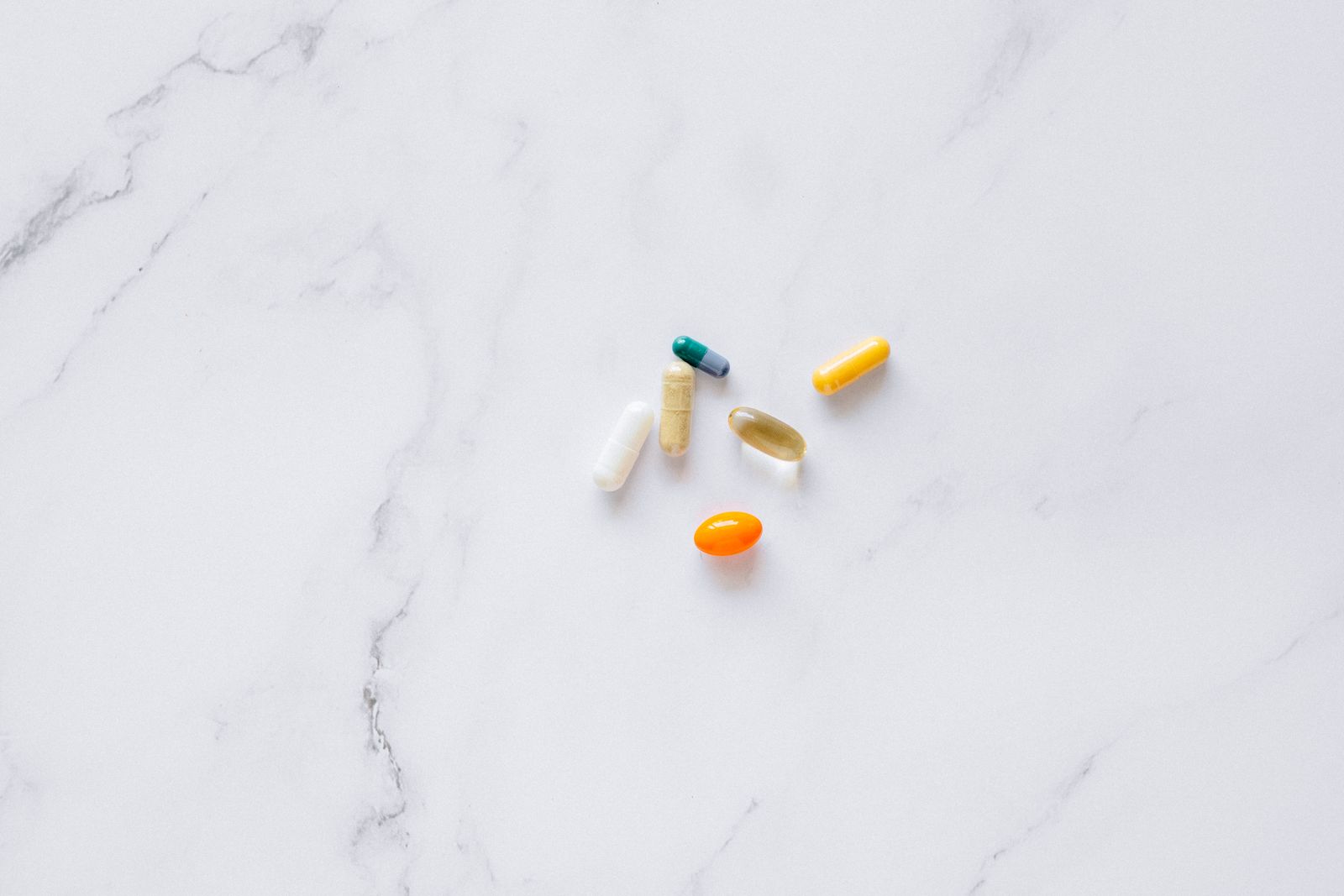
So here's an honest look at which oral ingredients have real research behind them for blemish-prone skin, which ones are marketing, and how to tell the difference when you're standing in front of a shelf.
First, the filter that matters
Most skin supplements are built for "glow." Collagen, biotin, hyaluronic acid, a hopeful sprinkle of vitamin C. Those formulas target hydration, fine lines, and hair. They were never designed around the biology of a breakout.
Acne is a different mechanism. Researchers generally describe four overlapping drivers: excess sebum production, abnormal shedding of cells inside the follicle, Cutibacterium acnes activity, and inflammation. Christos Zouboulis and colleagues have argued for years that the sebaceous gland behaves like an endocrine organ in its own right, responding to hormones and producing inflammatory signals locally (Dermato-Endocrinology, 2011).
Biotin does nothing for any of that. So the first filter is simple. Ask whether the formula was built for acne specifically, or built for skin in general and then marketed at people with acne.
Pantothenic acid (vitamin B5)
This is the ingredient with the most direct clinical evidence for lesion counts, and it's still underused.
In a randomized, double-blind, placebo-controlled trial published in Dermatology and Therapy, 48 adults with mild to moderate facial acne took either a pantothenic acid-based supplement or placebo for 12 weeks. The treatment group showed a significant mean reduction in total lesion count compared with placebo (P = 0.0197), along with improved quality-of-life scores (Yang et al., 2014).
Being straight with you: it's a small trial, and it was industry-funded. That's true of a lot of nutrition research. But it's a real randomized controlled trial with a placebo arm and a published p-value, which puts it well ahead of most ingredients sold for skin. A 2025 single-blind trial in Dermatologic Therapy looking at intramuscular pantothenic acid added to the picture (Saki et al., 2025).
Zinc
Zinc is the one dermatologists actually bring up unprompted. A 2020 systematic review and meta-analysis in Dermatologic Therapy pooled the available research and found that people with acne tended to have lower serum zinc levels than controls, and that patients treated with zinc showed significant improvement in mean inflammatory papule count versus those who weren't. The reviewers also noted no significant difference in side effect rates compared with comparators (Yee et al., 2020).
Form matters more than the label suggests. Chelated forms like zinc bisglycinate are generally better tolerated than zinc oxide, which is cheap and poorly absorbed. If a supplement lists zinc but not the form, that tells you something about the rest of the formula.
Vitamin D
The vitamin D research is more interesting than people expect. A 2016 study in PLOS ONE combined a case-control comparison with a small randomized trial. Vitamin D deficiency was present in 48.8% of acne patients versus 22.5% of healthy controls. In the trial arm, 39 deficient patients received 1,000 IU of oral cholecalciferol daily for two months. Inflammatory lesions decreased 34.6% in the vitamin D group versus 5.8% in the placebo group (Lim et al., 2016).
Small sample, and the authors said so themselves. Still, the deficiency gap is hard to ignore, and vitamin D status is one of the few things here you can actually get measured with a blood test.
Selenium
Selenium is the sleeper. Its job is running glutathione peroxidase, an enzyme that protects cells from oxidative damage. Back in 1984, researchers publishing in Acta Dermato-Venereologica found that people with acne had reduced erythrocyte glutathione peroxidase activity, and that activity rose during selenium and vitamin E supplementation (Michaëlsson & Edqvist, 1984).
One caution worth stating plainly, because most brands skip it. Selenium has a tolerable upper intake level of 400 mcg per day for adults. More is not better. Any formula giving you a megadose of selenium is a formula to walk away from.
Phytoceramides
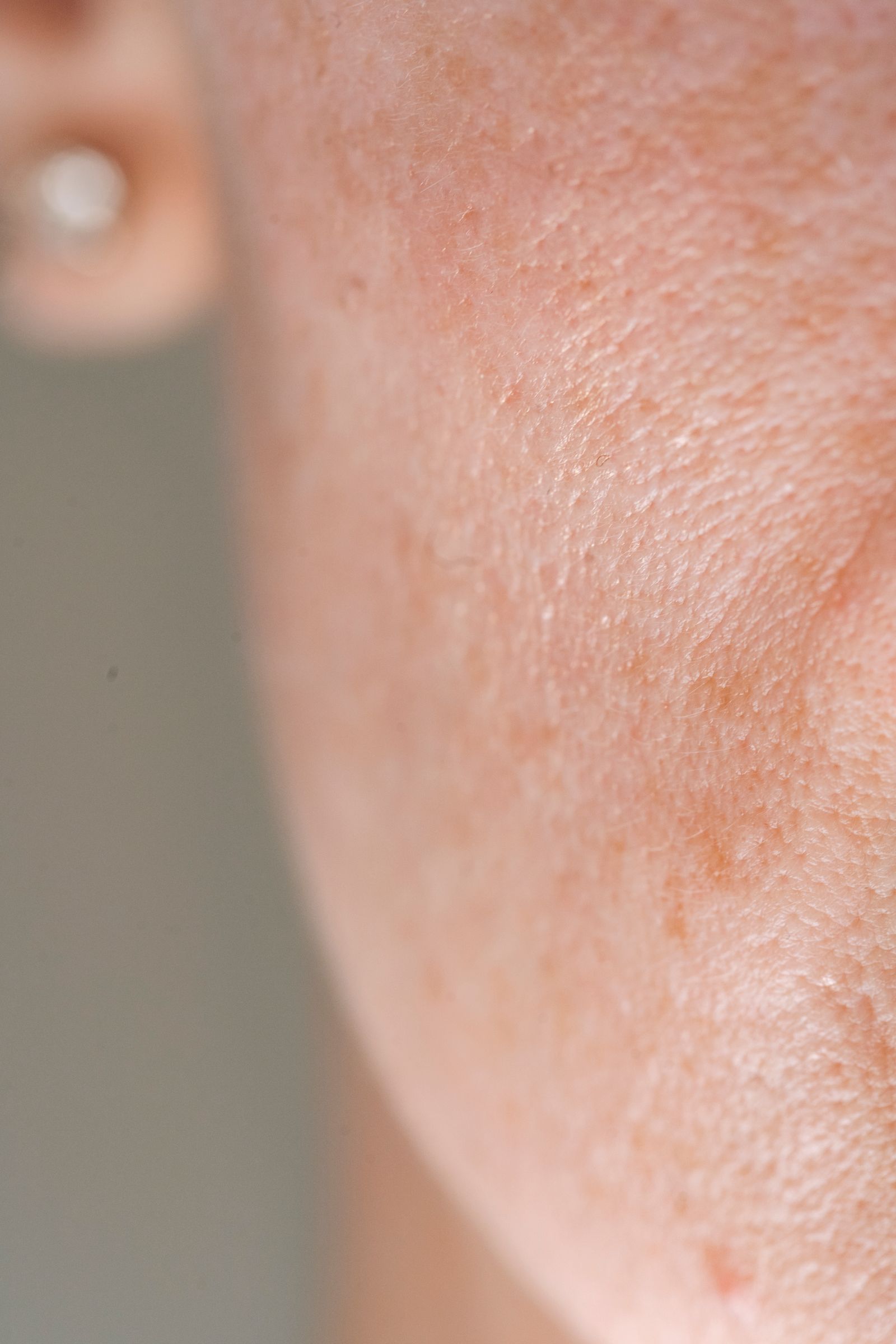
Ceramides are the lipids that hold your skin barrier together, and barrier integrity is not a side issue in acne. Lipidomics work published in Archives of Dermatological Research in 2025 profiled skin surface lipids in acne patients and evaluated barrier function alongside them (2025). Separately, a review in the Journal of Cosmetic Dermatology made the case that supporting the barrier helps people tolerate acne treatment regimens they'd otherwise abandon (Schachner et al., 2023).
That last point is underrated. Most people don't fail acne treatment because the treatment doesn't work. They fail because week three is miserable and they stop.
What to skip
Biotin has no acne evidence, and high doses can interfere with certain lab tests, including thyroid panels. Collagen is for a different concern. Very high-dose iodine has been associated with breakouts in case reports. And be careful with proprietary blends: if a label lists a blend total instead of individual amounts, you cannot tell whether you're getting a clinically studied dose or a dusting.
How we built ours
The DellaPella Clear Skin Supplement is doctor-created and built around the ingredients above rather than around a general wellness story: vitamin D3, pantothenic acid, zinc, selenium, kiwi extract, and phytoceramides. It's third-party tested for potency and purity, and it's designed for face, back, and body.
Give it 8 to 12 weeks. Skin turnover is slow, and anything promising results in ten days is selling you something other than biology. We back it with a 90-day money-back guarantee for exactly that reason.
Important: The studies cited above tested individual nutrients, not the DellaPella formula, and results in research settings may not reflect individual outcomes. Dietary supplements are not intended to diagnose, treat, cure, or prevent any disease. These statements have not been evaluated by the Food and Drug Administration. Talk to your doctor or dermatologist before starting any supplement, especially if you're pregnant, nursing, or taking medication.


